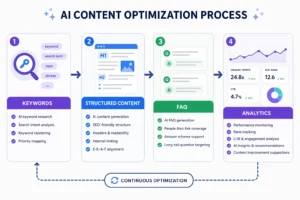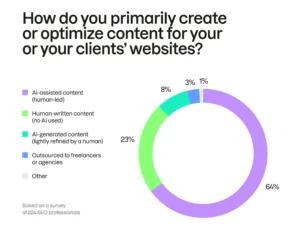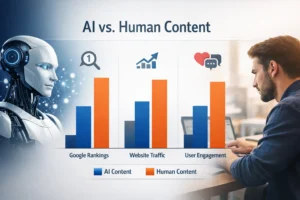


You run a massive website serving users from Tokyo to Toronto. In the age of AI search, enterprise SEO is like a global chess game: your content must reach and satisfy audiences worldwide. I’ve helped enterprise brands restructure millions of pages, and I can tell you: winning at enterprise SEO requires a powerful tech foundation, deep semantically-rich content, and AI-savvy tactics. Let’s dive into the top techniques that boost rankings for large-scale sites globally.
What is Enterprise SEO? The Scale and Scope
Enterprise SEO is simply search optimization at power-amp scale. It means optimizing a large, complex web presence (often thousands of pages) to perform well in search. Unlike local or small-site SEO, enterprise SEO involves coordination across multiple teams and departments. Key aspects include:
- Enormous Content Volume: Enterprise sites can have thousands or even millions of pages (e-commerce catalogs, knowledge bases, global blogs, etc.). Managing this requires automation and strict processes (no manual link-building or single-page fixes).
- Multiple Stakeholders: Every update may involve marketing, product managers, legal, and IT. Approval chains are longer, and SEO changes must align with business units and regional markets.
- Competitive Keywords & Brand Terms: Large companies often target broad, high-volume queries (think “project management software” or “enterprise SEO strategy”). They also protect brand-related keywords against competitors. Losing a top ranking for a key term on an enterprise site can be a big hit.
In essence, enterprise SEO uses the same principles as any SEO, but at a vastly larger scale. The goal remains improving visibility and performance in search results (see Search Engine Optimization on Wikipedia), but you do it across a sprawling, multi-region website.
Why Enterprise SEO Matters More in the AI Search Era
Search engines now function more like answer engines than simple indexing systems.
Platforms powered by AI increasingly deliver:
- AI-generated summaries
- AI Overviews
- Voice search responses
- Conversational search answers
- Contextual recommendations
- Zero-click search experiences
That means your content must become machine-readable, contextually clear, and entity-rich.
A poorly structured enterprise website is like giving a robot a 5,000-page instruction manual with no headings. Good luck getting accurate results.
Key Reasons Enterprise SEO Matters
| Factor | Traditional SEO | Enterprise SEO |
|---|---|---|
| Website Size | Small to medium | Massive websites |
| SEO Workflow | Manual | Automated |
| Content Scale | Limited | Thousands of pages |
| AI Optimization | Basic | Advanced |
| Technical Complexity | Low | High |
| Semantic SEO | Optional | Essential |
| International SEO | Limited | Core Requirement |
Technical SEO for Large-Scale Sites
Large websites need a solid technical foundation so search engines and AI can find your content. Focus on these essentials:
- Crawlability & Indexing: Ensure all important pages can be crawled. Use XML sitemaps and check Google Search Console coverage. Google’s guide emphasizes crawlability for AI features. Also watch for duplicate content: for example, Semrush found over 50% of sites have duplicate content issues. Use canonical URLs or redirects to fix duplicates as part of your enterprise SEO audit. On very large or frequently updated sites, optimize your crawl budget so new content gets noticed.
- Site Architecture: Design a logical hierarchy (e.g.
/category/subcategory/product) so users and bots can navigate. Use breadcrumb trails and ample internal links. This helps search engines understand context and builds topic clusters that AI and Google recognize. - Speed & Performance: Optimize for fast load times worldwide. Utilize CDNs, compress images, minify code, and enable browser caching. Fast, mobile-friendly pages improve rankings and user satisfaction. Remember: a slow site on one continent hurts everyone’s experience.
- Structured Data & CMS Setup: Implement schema markup for products, FAQs, articles, and organization info to highlight key entities. Configure your CMS to handle bulk edits: use templates or scripts to auto-generate meta tags and structured data. Automate redirects and canonical tags to manage duplicate content at scale.
In short, treat your site like a skyscraper: it needs a bulletproof framework. Conduct regular enterprise SEO audits using tools (Screaming Frog, DeepCrawl, Semrush) that scan the entire site automatically. This way you catch issues early and keep your technical SEO in check.
Content Strategy & Semantic SEO
Quality content drives enterprise SEO. Focus on relevance, authority, and structure:
-
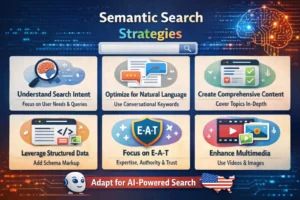
Topical Authority & Clusters: Develop in-depth content hubs. Each core topic should have a “pillar” page and linked subpages covering related subtopics. This creates a tightly-knit cluster that AI and Google recognize as authoritative. For example, if you have a pillar on “AI SEO”, link to articles on sub-areas like “semantic SEO” and “entity optimization,” forming a web of relevance.
-
Semantic Relevance: Write for intent, not just exact keywords. Modern SEO (and AI search) emphasizes meaning. AI uses vector embeddings to match concept to query, so include synonyms and related phrases naturally. For example, in enterprise SEO content, use terms like “SEO automation tools,” “large-scale optimization,” and “AI search trends” alongside your primary keywords. Explicitly define scope (e.g. add “in 2026” or “for global audiences”) to improve retrieval accuracy.
-
Answer Questions Directly: AI assistants and featured snippets love it when you answer the query immediately. Use question-form headings and concise Q&A style paragraphs. For instance, start a section with “What is enterprise SEO?” and give a clear answer, then elaborate. Google’s guidelines even recommend giving a direct answer up front and then explaining.
-
Conversational Tone & FAQs: Write as if you’re speaking to the user. Use second person and simple language. Incorporate an FAQ section or bullet lists, since AI chatbots often parse those for answers. Avoid unexplained jargon. Make the content readable by humans and digestible by AI.
-
Entity Optimization: Treat key concepts as entities. Use schema to define them and link related content internally. This helps AI and search engines understand exactly what you mean. For example, clearly labeling your company name, product names, and locations ensures consistent recognition (important for global brands).
-
Unique Expertise: Don’t publish content that could be on any site. Google recommends adding unique perspectives or data. Add case studies, original research, or real user stories to stand out. This “non-commodity” approach means your content has real value and isn’t easily replicated by competitors or AI.
By weaving entity-rich language and answering questions fully, your enterprise SEO content becomes AI-friendly. Chatbots and search overviews will then cite and trust your pages, boosting visibility.
AI-Powered Search: AEO, GEO, and Voice Assistants
Search is evolving into an AI-driven conversation. Optimize for answer engines:
- AEO (Answer Engine Optimization): Structure content to be chosen as the direct answer in AI Overviews and voice responses. Use structured schema (FAQ, Q&A) so virtual assistants can pull your answer. For example, mark up your FAQ section or product schema. When a voice assistant cites your snippet, it’s free marketing.
- GEO (Generative Engine Optimization): Make your content machine-readable and comprehensive so that LLMs (like ChatGPT, Bard, or Google’s AI) cite it in responses. This means writing clearly and covering a topic fully. If your enterprise article on “SEO automation tools” includes all major products, trends, and examples, an AI is more likely to surface it in its answer.
- Natural Language & Chatbots: With advanced NLP, users type and speak naturally. Include conversational phrasing and whole questions in your content. For instance, if users ask “What are the best AI SEO practices?”, ensure that exact wording appears as a heading or FAQ. Keep answers factual and concise. Remember, Google stresses people-first content even when optimized for AI.
- Optimize for Voice: As more users ask by voice, match voice-search queries. Use long-tail, question-like phrases and answer them succinctly. Provide statistics or clear steps in lists, since AI chatbots prefer authoritative language with data.
In summary, treat AI assistants as another channel for your SEO. If an AI or voice search can read and trust your answer, your enterprise site wins visibility even without a click-through.
SEO Automation Tools & Services
Enterprise SEO scale demands automation and expertise. Consider these resources:
- Automated SEO Tools: Use enterprise-grade platforms for audits and tracking. For example, Semrush or Ahrefs can crawl your entire site and flag issues (missing tags, broken links) all at once. Screaming Frog or DeepCrawl can run regular scans. Keyword trackers (SERanking, Moz) monitor thousands of terms globally. Content and backlink tools help manage what manual review can’t.
- AI & Content Assistants: Leverage AI writing assistants (like GPT-4 or content optimization tools) to scale content creation – but always review and fact-check. Generative tools can suggest FAQs, meta descriptions, or outlines. This speeds up the workflow when you have hundreds of pages to update.
- Workflow Integration: Bake SEO into your CMS and dev pipelines. Use scripts or plugins to auto-generate sitemaps, meta titles, and structured data. Create templates for product pages so all have proper SEO elements. Automation here means one change can propagate across thousands of pages, ensuring consistency.
- Enterprise SEO Services: You don’t have to go it alone. Specialist enterprise SEO agencies and services (like Elevatech Digital) bring experience and dedicated tools. They can perform full-site audits, manage international SEO, and keep you current with AI powered search trends. Outsourcing aspects of SEO at scale can yield faster wins and let your in-house team focus on strategy.
With the right tools and expertise, your SEO effort becomes scalable rather than strained.
International and Regional SEO (Global Reach)
If you operate across countries or languages, optimize for global audiences:
- Multilingual Strategy: Use hreflang tags to indicate language/region. Offer content in local languages for each market when feasible. Ensure translations are high-quality and SEO-savvy (simply copy-pasting English won’t do).
- Neutral Global English: Write in clear, international English without slang or idioms. This broadens appeal and helps AI understand your text. If a concept is U.S.-centric, provide context or an example relevant worldwide.
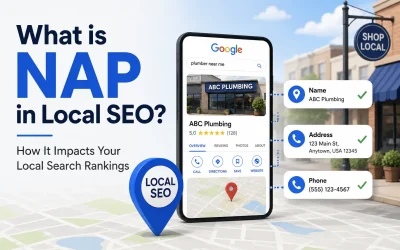
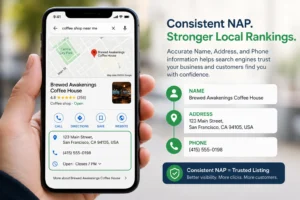
- Local Business Listings: Maintain up-to-date local listings (Google Business Profiles) for each location. Accurate NAP (Name, Address, Phone) data in global directories aids both local SEO and AI-based local queries.
- Regional Trends: Adapt to market-specific searches. A keyword that’s huge in the UK might be obscure in India. Use Google Trends or local keyword tools to tailor content. Test and tweak campaigns in each region, since SEO effectiveness can vary by country.
- Global Infrastructure: Ensure your site performs well everywhere. Use CDNs and local data centers as needed so page load times are consistently fast. A poor experience in any major region can hurt your brand’s global reputation.
Mastering international SEO is part of enterprise search optimization. By localizing wisely and maintaining a strong technical base, your large site can succeed everywhere.
Measuring Success: Key Metrics and KPIs
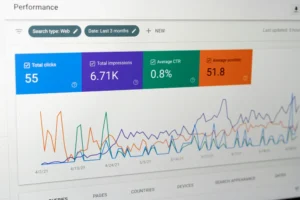
For an enterprise SEO campaign, track these key metrics and KPIs:
- Organic Traffic & Conversions: For an enterprise site, monitor total organic visits and how many convert (sign-ups, sales, etc.), and break it down by region or category.
- Keyword Rankings & SERP Features: Track how target and brand keywords rank in each market. Also monitor featured snippets, “People also ask,” and knowledge panel appearances, these reflect your AEO/GEO success.
- Engagement Metrics: Look at time on site, bounce rate, and pages per session for major sections. On big sites, higher engagement on content hubs usually means your strategy is resonating.
- Technical Health: Review your SEO tools’ audit results over time. Fewer site errors (404s, duplicate content, etc.) means a healthier site. Use these reports as part of your KPIs.
- Brand & AI Mentions: Track your enterprise brand mentions in media and forums, and monitor AI sources. Some new tools can alert you if ChatGPT or other platforms cite your domain. Rising brand interest or AI citations can signal growing authority.
Combining these metrics into dashboards helps you refine strategy continuously. SEO for large sites isn’t a “set and forget” task; it’s ongoing optimization to meet enterprise goals.
Conclusion
Enterprise SEO is no longer just a technical marketing strategy, it is the foundation of digital visibility in the AI Search Era. As search engines evolve into intelligent answer systems powered by AI, NLP, and semantic understanding, large-scale websites must adapt with smarter structures, scalable automation, entity-driven optimization, and user-focused content experiences. From technical SEO and internal linking to AI Overviews and international optimization, every element now works together as part of a larger ecosystem designed to help search engines and AI platforms fully understand, trust, and recommend your content. Businesses that invest in Modern SEO today will not only improve rankings but also build long-term authority, stronger organic growth, and future-ready digital visibility across global markets.
Frequently Asked Questions
-
What is enterprise SEO and how is it different?
Enterprise SEO refers to optimizing a complex, large-scale website (often with thousands of pages) to rank well in search. It differs from smaller-scale SEO in its scope: you’re dealing with more content, stakeholders, and highly competitive terms. Essentially, the principles are the same (quality content, solid tech, authority signals), but enterprise SEO requires more advanced tools, coordination, and strategy to manage the scale.
-
Do large websites need special SEO tools?
Yes. Managing enterprise SEO without automation is nearly impossible. Large sites often use specialized tools that can audit and monitor the entire site automatically. Examples include SEMrush, Ahrefs, Screaming Frog, and enterprise SEO platforms (like Lumar) that handle millions of URLs. These tools crawl the site, track thousands of keywords globally, and flag technical issues – tasks that would overwhelm manual efforts.
-
How do AI search engines (AEO/GEO) affect enterprise SEO?
AEO and GEO optimization have become part of any enterprise SEO strategy. Essentially, you want your content to be selected as answers in AI-driven search (like Google’s AI Overviews or chatbots). This means structuring pages with FAQ sections, clear answers, and entity-focused content. Enterprises should format key content for voice search and chatbots. In practice, make sure your top FAQ pages use schema and answer queries directly so that Google and AI assistants can cite your content – enhancing your enterprise SEO impact.
-
What metrics indicate success for enterprise SEO?
Key metrics include organic search traffic and conversions (overall and by region), keyword ranking improvements (including rich snippets and AI-driven features), and goal completions from organic. Also monitor engagement (time on site, pages per session) and technical health (crawl errors, fixed duplicates). For enterprises, it’s vital to tie SEO to business outcomes: for example, measure leads or revenue generated from organic search. These metrics tell the story of your SEO success.
-
Will AI SEO replace traditional SEO?
No. Traditional SEO fundamentals remain critical even in the AI era. Google explicitly states that core SEO best practices are still the foundation, even for AI-driven features. AI search is another channel, not a replacement. Enterprise SEO teams should incorporate AI optimizations, but always start with quality content, strong technical SEO, and authority-building. In short, apply modern techniques (covering new formats like voice search) on top of proven enterprise SEO strategies.