
Social Media Marketing in the U.S. is like throwing a big digital block party for your brand. With 83% of American adults on YouTube and 68% on Facebook, millions of eyes are scrolling through feeds every day. Think of your brand’s social profile as your storefront – a window into your company’s soul. If you just pop in occasionally and brag, nobody will remember you. But if you share stories, answer questions, and spark conversations, you become the life of the party. In this guide, we’ll walk through what social media marketing means for brand building, why it matters (especially in a fast-moving U.S. market), and exactly how to make your brand shine online. Let’s dive in!
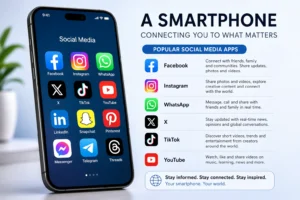
In the USA, most consumers use these platforms daily, so social media marketing is your chance to shape brand impressions and build loyalty.
What Is Social Media Marketing (SMM) for Brand Building?
Social Media Marketing (SMM) means using platforms like Facebook, Instagram, Twitter (X), TikTok, LinkedIn, and YouTube to promote your brand. In practice, it’s the art of storytelling, community-building, and listening online. When done well, SMM builds brand awareness and trust by showing off your brand’s identity and values consistently. As the U.S. Small Business Administration puts it, “think of your social media accounts as a window into your company” – your content should reflect your business’s values and offerings.
Why SMM Drives Modern Brand Building
In the era of AI Search Results, Semantic Search, and AI Overviews, your social content doesn’t just reach people, it trains algorithms. Every post, caption, and comment becomes part of your brand’s digital footprint that AI systems analyze.
That means:
- Your tone shapes how AI understands your brand personality
- Your content consistency impacts social-first ranking
- Your engagement signals influence visibility in AI SEO ecosystems
In short: you’re not just marketing to people, you’re marketing to machines that decide who sees you.
- Branding vs. Selling: Social media marketing isn’t just about pushing ads or sales pitches. It’s about shaping perception. A strong brand on social media feels familiar and reliable. It’s like a friend who always shows up with interesting stories or helpful advice, not a telemarketer.
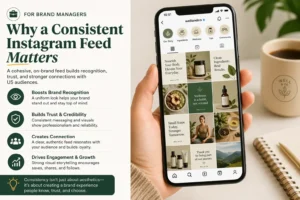
- Elements of SMM: In your social posts and profile, include your logo, brand colors, tagline, and voice. Use the same “personality” in every caption and reply. Over time, this consistency makes your brand instantly recognizable.
- Cultural Fit: In the USA, culture moves fast on social media. Americans love authenticity, humor, and cultural references. For example, Ogilvy’s 2024 social media marketing report stresses that brands must embrace American culture and sometimes even lead it. This means tapping into current trends (like memes, holidays, or local events) and showing you get what’s on people’s minds.
Why it matters: When done right, social media marketing directly boosts brand development. It gives customers a way to connect, ask questions, and feel seen. A Pew Research study confirms Americans are highly active on social apps. If your brand isn’t there, your competitors will be taking the conversation. Social media lets you attract new audiences through hashtags and shares, and even turn followers into loyal fans by responding to their needs. In short: social media is the modern word-of-mouth on steroids, and American consumers are all ears.
Step-by-Step: Building Your Brand with Social Media Marketing
Let’s break down the practical steps to grow a strong U.S. brand via social channels. We’ll cover setting a solid foundation, creating great content, engaging your audience, and even leveraging new AI-powered SEO trends.
1. Define Your Brand Voice and Identity
- Brand Mission & Values: Be crystal clear on what you stand for. Are you fun and quirky, or professional and expert? In captions and visuals, convey that personality. For example, a fun brand might use emojis and casual language, while a brand selling legal services might stick to formal, helpful tone.
- Visual Consistency: Use the same logo and color scheme in your profile pictures, banners, and post designs. This consistency is like a visual signature – it means that even if a user just glances at your post in their feed, they instantly know it’s yours.
- Storytelling Style: Decide how you tell your brand’s story. Do you lead with customer success stories, behind-the-scenes peeks, or product tutorials? Keep it consistent. This style becomes part of your brand identity.
- Elevator Pitch: Know your “brand elevator pitch” a short, catchy sentence about what your brand offers. Weave that into your “About” sections and occasional posts. Americans appreciate clarity; quickly communicate why your brand matters.
Advanced Brand Positioning Framework
To go deeper, align your brand identity with these 4 pillars:
| Pillar | What It Means | Example |
|---|---|---|
| Purpose | Why your brand exists | “Helping small businesses grow online” |
| Personality | Human traits of your brand | Bold, witty, professional |
| Promise | Value you deliver | Reliable, fast, innovative |
| Perception | How audience sees you | Trusted expert |
This framework ensures your brand development stays consistent across all SMM channels.
2. Choose the Right Platforms
Each social platform has its own vibe and US audience:
- Facebook & YouTube: With 68% and 83% of U.S. adults using them respectively, these are must-haves. Facebook is great for community building and events; YouTube is ideal for storytelling through video (how-tos, interviews, testimonials).
- Instagram: About half of U.S. adults use it, especially under-35 crowds. It’s perfect for visual branding – high-quality photos, short videos (Stories/Reels), and influencer partnerships.
- TikTok: Now at 33% U.S. adult usage (up from 21% in 2021), TikTok is where viral videos happen. If your brand can create fun, short videos (challenges, product demos, behind-the-scenes), TikTok can skyrocket your visibility.
- LinkedIn: Business professionals (ages 30–49) gravitate here. Use it to establish thought leadership, share industry insights, and B2B branding.
- Twitter (X) and Reddit: About 20% of Americans use each. These are for real-time updates and conversations. Brands often use them for customer support (X) or niche engagement (Reddit AMAs, communities).
- Pinterest, Snapchat, WhatsApp: These each have 27–35% usage. Consider them for visual discovery (Pinterest), younger demos (Snapchat), or messaging (WhatsApp).
No brand can be everywhere at once. Focus on 2–3 platforms where your U.S. target audience is most active. For example, a fashion brand might use Instagram, TikTok, and Pinterest; a B2B tech company might prioritize LinkedIn and X.
3. Create Engaging, Valuable Content
Your content is the fuel that powers brand building. To stand out and connect with your audience, mix up these approaches:
- Education & Storytelling: Post tips, tutorials, or industry insights that solve a problem for your customers. Americans appreciate helpful content – it builds trust. Also share your brand story through posts: employee spotlights, company milestones, or case studies. Storytelling makes your brand relatable.
- Visuals & Formats: Use high-quality images, infographics, and videos. Short videos (Instagram Reels, TikTok) are huge right now for engagement. For example, a quick demo or a fun brand GIF can stop thumbs in the scroll. Memes can work if they fit your brand voice (a little humor goes a long way in American culture).
- Consistent Schedule: Post regularly. A good rule of thumb: aim for at least 3–5 posts per week on major platforms, and daily if you can (especially for fast-moving feeds like TikTok). Consistency keeps you on followers’ radar.
- Hashtags & Keywords: Use relevant hashtags to increase discoverability (e.g., #SocialMediaMarketing, #BrandingUSA). Also sprinkle keywords in your captions in natural language (SEO for social content). It helps in semantic search: by using everyday phrases your customers search for, AI and Google can surface your posts in “people also ask” or voice queries.
Optimization for AI and Voice Search: The new wave of AI-driven search means your content should give quick, clear answers. For example, write captions like short FAQ answers or tips, since voice assistants often pick up concise answers. Use headings or bullet lists in articles (or pinned posts) to improve AI’s understanding. In practice, this means writing in a natural, conversational tone (as if you’re directly talking to the reader) and providing definitions or explanations of terms early on.
4. Engage and Interact with Your Audience
Social media marketing isn’t a one-way street. Brand building happens when you make connections:
-
Respond Quickly: Americans often turn to social media marketing instead of phone calls. If a follower asks a question or leaves a comment, reply promptly and helpfully. Even negative comments can be turned around by being polite, transparent, and solution-oriented. Excellent social customer service boosts loyalty.
-
Encourage User-Generated Content (UGC): Invite happy customers to share their own photos or stories featuring your product (for example, run a contest or a branded hashtag challenge). UGC acts as digital word-of-mouth – an effective way to build authenticity. Feature user posts on your profile (with credit) to show you value your community.
-
Community Building: Use platform features like Facebook Groups or LinkedIn Groups to foster brand communities. If appropriate, create a branded group where customers can chat, share tips, and give feedback. This tight-knit community can become fiercely loyal.
-
Digital PR and Collaborations: Reach out to online media or bloggers for collaborations (Digital PR). Guest posts, interviews, or mentions on popular sites or podcasts can amplify your brand’s credibility. Similarly, partner with influencers or micro-influencers in the U.S. market. Influencers can introduce your brand to their followers in a relatable way – think of them as brand ambassadors who spark conversations about you.
☑️ FTC Compliance: When using influencers, follow FTC rules. Influencers must disclose any paid partnership (e.g., using #ad or #sponsored) so it’s clear the recommendation is sponsored. Keep your brand trustworthy by ensuring all promos have clear disclosures, as the FTC advises.
5. Monitor, Analyze, and Adapt
Brand building is a marathon, not a sprint. Use analytics to see what works:
- Track Key Metrics: Focus on engagement (likes, shares, comments), reach (how many people saw your posts), and brand sentiment (are people saying positive things about you?). If brand awareness is a goal, watch followers and impressions grow. For loyalty, track how many repeat interactions or referrals you get.
- Adjust Strategy: Notice which content gets the best response and double down on that style or topic. If your tone or visuals aren’t resonating, don’t be afraid to tweak them. The U.S. social landscape changes quickly (remember how video trended, then came short-form reels?). Stay flexible.
- Stay Compliant and Ethical: Don’t resort to fake followers or reviews – these can damage your brand. As the FTC warns, misleading practices (like undisclosed endorsements or fake reviews) can get your brand in trouble. Trustworthiness builds brand authority; shortcuts undermine it.
Advanced Metrics Table
| Metric | What It Shows | Why It Matters |
|---|---|---|
| Engagement Rate | Interaction level | Content relevance |
| Reach | Visibility | Brand awareness |
| CTR | Click behavior | Content effectiveness |
| Conversion Rate | Sales/leads | ROI |
| Sentiment | Brand perception | Trust level |
U.S. Social Media Usage (2023)
| Platform | U.S. Adult Users (2023) |
|---|---|
| YouTube | 83% |
| 68% | |
| 47% | |
| TikTok | 33% |
| Twitter (X) | ~20% |
Conclusion and Next Steps
Building a strong brand with social media marketing in the USA takes creativity, consistency, and strategy. Remember: be authentic, engage earnestly, and keep content valuable and on-brand. Track your progress with analytics and refine your approach social media trends evolve fast, especially in American culture.
Elevatech Digital is here to help you navigate and dominate this space. Whether you need a branding service or a digital PR boost, our team specializes in creating social-first, AI-savvy campaigns that Americans love. Ready to elevate your brand’s presence? Contact Elevatech Digital today for a tailored Social Media Marketing strategy that makes your brand unforgettable.
FAQs (Frequently Asked Questions)
-
What is Social Media Marketing and why is it important?
Social Media Marketing (SMM) uses platforms like Facebook and TikTok to promote your brand. It’s important because Americans spend hours daily on social apps, so these channels are where customers discover, trust, or ignore brands. SMM helps establish your brand identity and connect with customers in a personal, conversational way.
-
How does social media build my brand?
By consistently showcasing your brand’s personality and values, social media makes your brand recognizable and trustworthy. It’s like having a 24/7 spokesperson for your business. Engaging posts, helpful content, and active conversations tell U.S. audiences who you are and what you stand for – a key step in Brand Development and Brand Promotion. For example, encouraging customers to share their experiences (UGC) can reinforce a positive brand image.
-
Which platforms should I use in the USA?
Focus on where your customers are. Generally, Facebook and YouTube have the broadest reach. Younger or lifestyle brands thrive on Instagram and TikTok (note TikTok usage jumped to 33% of U.S. adults). B2B or professional brands lean on LinkedIn. The right mix depends on your audience demographics and content strengths.
-
How can I optimize content for AI and voice search?
Use clear language and direct answers. Voice assistants prefer short, factual replies. Structure your posts with question-based headings or FAQs (this is called Answer Engine Optimization). For instance, put the key answer in the first sentence or use bullet points for easy scanning. Google’s recent guidelines stress structured, clear information so AI can interpret it. In practice, answer common customer questions directly in your posts (like “How do I order from your site?”) and the AI bots might feature that text in voice search or snippet results.
-
Do I need to worry about US regulations?
Yes. If you run ads, collect data, or use endorsements, follow U.S. laws. The FTC requires transparency in advertising. Always disclose paid partnerships, and protect user privacy (e.g. comply with GDPR/CCPA if applicable). Also, for online promotions, check guidelines like the FTC’s Endorsement Guides. It’s a good idea to review U.S. government resources on consumer protection for marketers.