
In today’s AI-driven search era, customers expect instant, personalized interactions on their preferred channels. Conversational marketing, real-time, dialogue-based engagement – meets this demand. With AI-powered chatbots, businesses can talk with prospects 24/7, answering questions and capturing interest in the moment. For example, messaging apps have soared in popularity worldwide (WhatsApp ≈1.5 billion users, Facebook Messenger ≈1.3 billion), creating a massive opportunity to meet customers where they already are. Conversational marketing leverages this shift: as IBM explains, it’s all about “personalized, real-time interactions” on social media, live chat, email and other channels.
At Elevatech Digital, we see how conversational AI tools transform websites into active sales channels. Instead of static forms, an AI chatbot can instantly greet a visitor, answer questions, and even guide them toward a purchase. According to a HubSpot study, simply adding a live chat feature helped one company attract 20% more qualified leads. In other words, chatbots don’t just serve customers – they turn browsers into genuine leads. This post will explain how and why AI chatbots improve lead generation globally, and how you can optimize your conversational marketing strategy (with SEO, AEO, and GEO best practices) to capture more leads than ever.
What Is Conversational Marketing?
Conversational marketing is a customer-focused strategy that uses real-time, one-on-one dialogue to engage prospects. It’s more than just live chat: it spans any channel where conversation happens (social apps, SMS, email, websites) and it’s always on the customer’s terms. In simple terms: conversational marketing allows you to talk to customers how, when, and where they want.
This approach contrasts with traditional one-way marketing (ads or cold calls). Instead of broadcasting messages, you listen and respond. For example, a conversational strategy might pop up a friendly question (“How can we help you today?”) when someone visits your site, rather than relying solely on forms or FAQs.
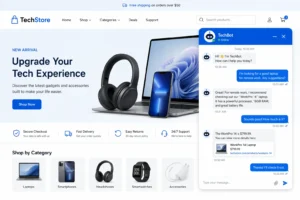
The rise of AI has supercharged conversational marketing. Chatbots AI-driven virtual agents – can handle those conversations instantly and at scale. As IBM notes, AI chatbots have become “a popular conversational marketing tool” because they can carry on real-time conversations “in a natural tone”. In practice, chatbots act like digital concierges: they welcome visitors 24/7, ask the right questions to understand needs, and deliver helpful answers or offers immediately. This real-time, personal touch helps turn visitors into leads more effectively than passive methods.
Why it Matters: Conversational marketing helps customers get quick, personalized answers while also feeding your pipeline. Gartner forecasts that chatbots will handle as much as 75% of customer service interactions by 2025. By engaging leads instantly (often before a competitor can), you show you’re responsive to their needs. And because these chats are always on and data-driven, they can uncover opportunities that traditional methods miss.
How AI Chatbots Enable Conversational Marketing
Answer-first: AI chatbots are the engine of conversational marketing. They are programs powered by natural language understanding (NLP) and machine learning that simulate human-like conversation. Chatbots can be rule-based (predefined scripts) or powered by generative AI (LLMs that generate responses on the fly). Modern bots increasingly use AI automation to understand context and provide smarter answers.
In practical terms, a conversational AI tool can do things like:
- 24/7 availability: Chatbots never sleep. They instantly greet every visitor, regardless of time zone. This means your “sales reps” are on duty around the clock, collecting leads while you sleep.
- Smart lead qualification: By asking targeted questions (e.g. needs, budget, timeline), chatbots can qualify leads on the spot. Qualified prospects can then be passed on to sales or nurtured further.
- Instant support & suggestions: Chatbots can immediately answer FAQs (product info, pricing) or suggest content. This keeps potential leads engaged and moving forward, instead of bouncing off the site.
- Data collection: Every conversation is data. Chatbots log contact info, preferences, and pain points, feeding your CRM. This rich data helps tailor follow-ups and refine marketing.
For example, Salesforce defines a lead generation chatbot as an AI tool that “engages users, gathers their information, and qualifies them as potential leads”. In practice, that might look like a chat widget asking a visitor about their industry needs, then capturing their email when they express interest. The visitor feels heard; the business gains a new lead automatically.
Why AI Adds a Boost
Compared to older chatbots, AI-powered chatbots offer deeper engagement. They can:
- Understand varied language and context (thanks to NLP models).
- Remember past chats (so returning visitors pick up the conversation).
- Switch between channels (web chat, Facebook Messenger, WhatsApp, etc.) seamlessly.
- Learn from every interaction to improve over time.
These AI capabilities mean chatbots feel more natural and human-like. It’s no wonder businesses see impressive results. A Glassix study found that websites using AI chatbots saw a 23% increase in conversion rates over those without. In other words, just adding an AI chatbot can turn more visitors into customers. In parallel, a Whitehat SEO report notes chatbots convert leads into sales 3× better than traditional forms. These gains happen because chatbots remove friction: they answer before the visitor gives up, and they do it in seconds (the Whitehat report notes chatbots answer questions 80% faster than live agents, driving 36% higher conversions).
Moreover, AI chatbots scale. They can handle hundreds of chats at once (no new salary needed!). Gartner research shows AI bots now resolve about 75% of inquiries autonomously. This frees up human agents to focus on complex cases. The result? Lower support costs (chatbots cost roughly £0.50 per interaction vs. £6 for a human) and more sales-focused employees.
Key takeaway: AI chatbots amplify every part of conversational marketing. They expand reach (multilingual support for 200+ languages), speed up responses (18% faster resolution), and personalize engagement at scale. That means more leads captured, more sales, and happier customers all around.
Benefits of Conversational AI for Lead Generation
Integrating chatbots into your marketing mix yields clear, measurable benefits. Below are some major advantages, backed by data and industry findings:
- Higher Conversion Rates: As noted, AI chatbots boost conversion rates dramatically. Glassix’s 2024 study saw a 23% lift in conversions on sites using chatbots. Similarly, Forrester reports “67% increase in conversion rates” for e-commerce teams using AI chatbots. These leads come in faster and more often than through static forms.
- Faster Lead Response: Speed matters. Harvard Business Review research shows companies that respond to leads within 5 minutes are 21× more likely to convert them. Without chatbots, average B2B response time is ~42 hours – a recipe for lost leads. Chatbots eliminate this delay entirely by engaging prospects instantly.
- 24/7 Engagement: Chatbots work all day, every day. This means someone in Tokyo can chat at midnight (their time) and someone in New York can chat the next morning, both getting the same prompt attention. The payoff? More total leads captured from around the clock traffic.
- Higher-Quality Leads: By asking qualifying questions during the chat, chatbots ensure that sales reps spend time on high-quality leads. HubSpot found that simply adding chat to a site brought in 20% more qualified leads. In practice, a chatbot might ask about a lead’s needs and budget first, meaning only serious prospects pass through.
- Better Customer Engagement: Chatbots personalize interactions based on user inputs. They can recall previous conversations, recommend products, or suggest content relevant to the visitor. This keeps prospects engaged longer: one study showed a 67% higher engagement rate among companies using chatbots. Engaged prospects are more likely to become leads.
- Cost Efficiency & ROI: Chatbots can handle routine questions at a tiny fraction of the cost of live agents. For example, a Tidio report found chatbot interactions average £0.50 vs £6 for humans. The ROI can be astounding – top implementations see a 670% ROI from conversational marketing over time. In sum, chatbots pay for themselves quickly by generating more sales at lower cost.
| Key Metric | Traditional (Forms/Email) | With AI Chatbot |
|---|---|---|
| Lead Conversion Rate | 2–4% (varies by industry) | ~25–30% (23% higher vs no chatbot) |
| Lead Qualification Time | Hours to days | Instant (conversations start immediately) |
| Qualified Leads (relative gain) | Baseline | +20% (HubSpot found 20% more qualified leads) |
| Engagement Rate | Baseline | +67% (higher engagement with chatbots) |
| Customer Response Time | ~1–2 hours (often much longer) | Seconds |
Top Conversational AI Tools and Platforms
The good news is there are many SaaS platforms to launch chatbots without needing to code everything. Here are a few leading options for conversational marketing:
- Drift – A popular B2B conversational marketing platform. Drift uses AI chatbots on landing pages to qualify leads instantly and route them to sales reps. It integrates with CRMs for seamless data flow. Companies report higher conversion from gated content using Drift.
- HubSpot Chatflows – HubSpot’s CRM includes a chatbot builder. You can create chatflows to book meetings, collect emails, or answer FAQs. HubSpot’s bots leverage CRM data so they can mention a user’s name or past purchases. (HubSpot’s own bot helped them convert event sign-ups via Messenger.)
- ManyChat – Focused on social and SMS, ManyChat lets you build Facebook Messenger, WhatsApp and text bots with no coding. It’s great for e-commerce or small biz marketing. You can send promotions, gather leads via conversational flows, and track conversions.
- Intercom – A customer messaging platform with both support and marketing bots. Intercom’s chatbots can auto-respond to questions or hand off to humans. It also has “Operator” bots that qualify leads before they reach sales. Intercom’s data hub helps refine bots over time.
- Tidio / Chatfuel / Zendesk Answer Bot – Other notable platforms include Tidio (e-commerce focus), Chatfuel (Messenger marketing), and Zendesk’s AI Answer Bot (customer support AI). Many of these tools offer templates (e.g. welcome bots, FAQ bots) and integrations with popular CRMs and marketing stacks.
Comparison Table (examples):
| Platform | Best For | AI Features |
|---|---|---|
| Drift | B2B sales & MQLs | Conversational landing pages, intent AI, CRM sync |
| HubSpot | Inbound marketing | CRM-integrated bots, live chat, meeting booking |
| ManyChat | Social commerce | Messenger & SMS flows, e-commerce plugins |
| Intercom | Support + marketing | Smart answers, operator bot, multi-channel |
| Tidio | E-commerce | Chat/Email/FB integration, chatbot templates |
| Zendesk | Customer support | AI Answer Bot integrated with ticketing |
Best Practices for Chatbot Lead Generation
Implementing chatbots effectively requires strategy. Here are some proven tips to maximize results:
- Answer-first design: As with AEO-friendly content, each bot conversation should address the visitor’s top questions immediately. For example, start your chat with a clear offer (“Need help choosing a plan? I can assist!”) rather than vague greetings. This hook ensures the bot adds value upfront.
- Clear qualification logic: Decide which questions qualify a lead (industry, budget, project size). Program the chatbot to ask these early. If a visitor matches, route them as a hot lead to sales or send them helpful content. If not, the bot can still nurture them. A pre-defined flow prevents missed opportunities.
- Multi-channel presence: Use the bot on web chat, plus popular messaging apps in your markets (WhatsApp, WeChat, Messenger, etc.). For global reach, offer language support. Modern chatbots often auto-translate or can be set up in multiple languages so you meet international customers in their language. For example, some AI chatbots now understand 200+ languages.
- Rich media & personalization: Bots can do more than text. Use images, videos, GIFs, or quick-reply buttons to make the conversation engaging. Personalize the chat using data (e.g. “Hi John, I see you liked our SEO guide – can I answer questions about that?”). A friendly, human-like tone builds rapport (Zendesk found 64% of users trust chatbots with a human-like, empathetic tone).
- Seamless human handoff: Always allow the chatbot to transfer to a human when needed. Even the smartest bot will encounter complex or emotional queries. Have a clear “Talk to a human” option. This blend of automation and live support keeps prospects comfortable. A smart bot can even initiate handoff if it detects frustration.
- Measure and optimize: Track key metrics (chats initiated, conversion rate, bounce after chat, etc.). A/B test different greetings and flows. For SEO and AEO, ensure your chatbot content and FAQs can be crawled and cited by AI overviews (see next section). Update bot knowledge with new products and fresh content regularly. For example, HubSpot updates chat content based on seasonality, keeping conversations timely.
By following these best practices, you ensure your chatbot is not just a gimmick, but a strategic marketing tool. In the process, you build trust with prospects (they see you respond quickly and personally) and gather high-value data.
Optimizing for SEO, AEO, and the AI Search Era
Conversational marketing doesn’t happen in a vacuum, it lives alongside search and SEO. In fact, a modern digital strategy blends chatbots with smart content optimization. Here’s how to align them:
Semantic & Entity-Based SEO
Write content (including chat dialogues and FAQ answers) using clear entities and terms. For example, use “AI chat marketing,” “AI-powered customer engagement,” and related synonyms naturally in your copy. This helps search engines and AI models understand your topic contextually. Avoid vague claims and use specific data when possible, as AI engines prefer precise numbers.
Answer Engine Optimization (AEO)
Structure your site content so that AI assistants can pull answers. That means each section and FAQ should start with a direct answer to a likely query (answer-first style). For instance, an H2 titled “How do AI chatbots improve lead generation?” should immediately answer that question in the first 1–2 sentences. Use bullet lists and tables where AI can easily extract points. Example: the table above is AEO-friendly because it clearly compares metrics.
AI Overviews readiness
Because search is becoming answer-driven (zero-click answers on Google, ChatGPT responses, etc.), ensure your content can be cited. Use schema markup (Article and FAQ schema) so that search bots know your page has Q&A content. Write in a concise, neutral tone that a voice assistant could read aloud for an answer. Provide definitions (e.g. “A chatbot is a software application that…”), since AI often pulls those.
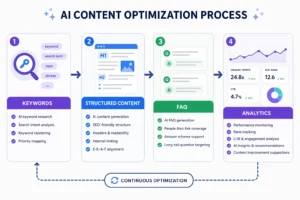
Structurally, clear headings and lists serve both human readers and AI. For example, in this article each H2 is a question or key point: AI systems can easily parse “What Is Conversational Marketing?” or “Benefits of AI Chatbots.” Likewise, keeping paragraphs short and logical (one idea per paragraph) allows AIs to “chunk” information effectively.
Finally, think globally: ensure your content avoids US/UK idioms and consider mentioning international use cases or languages. For example, note that chatbots handle Spanish, Mandarin, or Arabic fluently today. And remember to answer specific queries outright, since voice and AI users often phrase searches as questions (e.g. “How do chatbots help lead gen?”). By optimizing for both people and AI, your conversational marketing content gains visibility across regions and platforms.
Conclusion
Conversational marketing powered by AI chatbots is transforming lead generation worldwide. By engaging visitors in real time, answering their questions, and capturing their interest instantly, chatbots turn casual browsers into qualified prospects. Studies show the impact: significantly higher conversion rates (often 20–30% lifts), more leads captured 24/7, and faster pipeline growth.
In an era where users demand fast, friendly service on their channels, adopting AI chat marketing isn’t optional, it’s essential. As Elevatech Digital’s experience shows, businesses that implement conversational AI enjoy more efficient marketing funnels and richer customer insights. Remember to optimize your content for both people and AI (using AEO/GEO best practices) so that your conversational tactics are discoverable globally.
Key takeaways: Leverage AI-driven conversations for 24/7 engagement, use clear chat flows to qualify leads, and weave chatbots into your marketing strategy holistically. With the right tools and strategy, conversational marketing can become your most potent lead-generation engine.
Ready to revolutionize your lead generation? Get in touch with Elevatech Digital for help you implement a cutting-edge chatbot marketing strategy tailored for a global audience. Embrace conversational AI and watch your leads, and revenue soar.
FAQs
-
What is conversational marketing?
Conversational marketing is a strategy that uses real-time dialogues (via chat, messaging, voice) to engage customers individually. It moves away from broadcast marketing toward personalized 1:1 communication across digital channels. AI chatbots are common tools in this approach, enabling businesses to chat with visitors instantly and in a natural tone.
-
How do AI chatbots improve lead generation?
AI chatbots enhance lead gen by capturing and qualifying leads on the spot. They ask website visitors targeted questions and gather contact info 24/7. For example, a Glassix study found sites with chatbots had 23% higher conversion rates than those without. Chatbots also dramatically cut response time (leading to 21× higher lead conversion if answered within 5 minutes). Overall, chatbots ensure no interested visitor falls through the cracks.
-
Are chatbots really better than forms?
A: In many cases, yes. Chatbots guide users conversationally instead of dumping a long form. Studies show chatbots convert about 3× more leads than static forms. Visitors are more willing to share info if it feels like a natural chat. Plus, bots can dynamically adjust questions based on replies, qualifying leads in a much smarter way than generic form fields.
-
What kind of chatbot should I use?
It depends on your audience. For B2B sales leads, platforms like Drift or HubSpot’s CRM chatbot work well. For e-commerce or social media marketing, ManyChat or Tidio (Messenger and SMS bots) are great. Think about where your customers are: do they prefer WhatsApp, Messenger, or your website? Also consider integration: choose a SaaS chatbot that links to your CRM/email system so no lead data is lost.
-
How do I measure success with chatbots?
Key metrics include the number of chats initiated, conversion rate from chat to lead, and lead quality (e.g. how many chat leads schedule demos). Also track engagement: time on site, pages per session for chat users vs non-chat. Don’t forget Customer Satisfaction (CSAT) – quick responses usually boost it. Tools often provide dashboards, and A/B testing different messages can optimize performance over time.